Before there were flying saucers, there were "foo fighters." That's the nickname Allied pilots gave to strange balls of light that followed their planes during night missions. If you're researching UFO sightings during WWII, this is where the modern story really starts, years before Kenneth Arnold's famous 1947 report made headlines.
What makes these reports especially valuable to historians is who was making them. These weren't casual observers glancing up from a backyard; they were trained combat pilots, flying dangerous night missions, under enormous pressure, with their full attention on the sky around them by necessity. That level of trained observation gives foo fighter reports a credibility that's harder to dismiss than a quick, distracted glance from someone on the ground.
What Pilots Actually Reported
Starting around 1944, pilots flying over Europe and the Pacific began describing small, glowing orbs, usually orange, red, or white, that would appear near their aircraft, sometimes flying in formation with them, and then suddenly vanish or shoot away at impossible speed. The objects didn't seem to attack the planes. They just followed, hovered, and watched, or so it seemed to the exhausted pilots flying dangerous night missions.
Where Did the Name "Foo Fighter" Come From?
The nickname is believed to come from a comic strip catchphrase popular at the time, "where there's foo, there's fire," used by a radar operator's squadron as a bit of dark humor. The name stuck, and it's still used today by historians describing these specific WWII-era reports, separate from later flying saucer or UFO cases.
Both Sides Reported Them
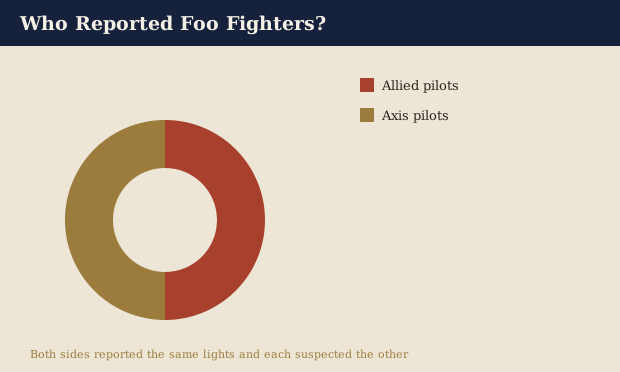
Here's the detail that makes foo fighters especially interesting: pilots from both the Allied and Axis air forces reported similar lights. Each side initially suspected the other had built some kind of secret weapon. German pilots reportedly worried the lights were an Allied device meant to jam radar or aim anti-aircraft guns. Allied pilots suspected the same thing in reverse. After the war ended, though, investigators on both sides could find no evidence that either military had built anything like it.
How the Military Investigated at the Time
Wartime investigators leaned toward a mix of possible explanations: ball lightning, St. Elmo's fire (a real electrical phenomenon that glows around aircraft during storms), reflections from ice crystals, or simple stress and fatigue affecting tired pilots flying in the dark. None of these explanations fully satisfied every report, especially the ones describing lights that appeared to move with intention, matching a plane's speed and turns.
Foo Fighters and the Birth of "Flying Saucer" Culture
When the flying saucer craze exploded in 1947, foo fighters were already a familiar story to many veterans and journalists, which may have helped the public accept the new wave of sightings so quickly. You can see how that broader wave developed in our UFO sightings by decade timeline.

What Modern Researchers Think
Today, most researchers agree that many foo fighter sightings likely had a natural explanation, particularly St. Elmo's fire, which really does create glowing balls of light around aircraft during electrical storms. But because sightings happened on clear nights too, and because the lights were reported moving in patterns that didn't match static electricity, a portion of the foo fighter cases remain officially unexplained.
Post-War Investigations Into Foo Fighters
Once the war ended, both American and British military intelligence teams looked back through the foo fighter reports to see if a proper explanation could be reached with peacetime resources. Investigators interviewed surviving pilots, compared reports against known weather conditions on each date, and cross-checked locations against any secret weapons testing that might have explained the lights. No single explanation covered every report, which is part of why the case file was never fully closed, even decades later.
How Foo Fighters Shaped the Language of Later UFO Reports
Foo fighter reports gave later investigators, and later witnesses, a kind of shared vocabulary. Phrases like "moved with the aircraft" and "shot away at impossible speed" appear again and again in later UFO sighting reports, and some historians believe this is partly because the foo fighter stories, told and retold by veterans after the war, shaped how later witnesses described what they saw. This doesn't mean later sightings were fake; it simply means the wartime reports set a kind of template for the language used afterward.

Frequently Asked Questions
Were foo fighters ever confirmed as a secret weapon?
No. After the war, neither side could find any record that the other had built a device like this, which ruled out the most obvious wartime explanation.
Are foo fighters still unexplained today?
A portion of the reports are considered reasonably well explained by St. Elmo's fire and similar electrical effects. Others, particularly those on clear, calm nights, remain officially unresolved.
Did any pilot ever get close enough to identify a foo fighter clearly?
Several reports describe the lights approaching quite close to the aircraft, but none resulted in a clear physical description beyond "glowing sphere," since the encounters typically happened quickly, at night, and under high-stress combat flying conditions.
What Makes This Case Study Worth Remembering
The foo fighter reports are a useful reminder that even highly trained, credible witnesses, in this case combat pilots specifically selected for calm judgment under pressure, can still encounter something they cannot fully explain. That combination of witness credibility and lasting mystery is exactly why foo fighters remain one of the most respected case files in the entire history of UFO sightings during WWII and beyond.
Keep Exploring
To see how sighting reports and shapes changed after the war, read our guide to types of UFO shapes explained, or step back even further into history with our article on UFO sightings before 1900.